Materials & Environmental
Carbon footprint declaration deadline (EV batteries)
Digital battery passport mandatory
Cobalt/nickel recovery target by end of 2027
Regulation Overview
The EU Batteries Regulation replaces the 2006 Batteries Directive with comprehensive lifecycle requirements. It covers sustainability, safety, labeling, due diligence, and end-of-life management for all battery types placed on the EU market.
The regulation applies to portable batteries, industrial batteries (>2 kWh), EV batteries, light means of transport (LMT) batteries, and starting/lighting/ignition (SLI) batteries. Requirements vary by category.
Key pillars include carbon footprint declarations, supply chain due diligence for critical raw materials (cobalt, lithium, nickel, graphite), digital battery passports, recycled content targets, and extended producer responsibility.
Key Components / Sub-Frameworks

Battery manufacturers placing batteries on the EU market
Importers of batteries into the EU
Distributors and retailers selling batteries
Producers of products with incorporated batteries
Economic operators in the battery supply chain (raw materials to recycling)
Non-EU manufacturers selling into EU markets
Key Thresholds
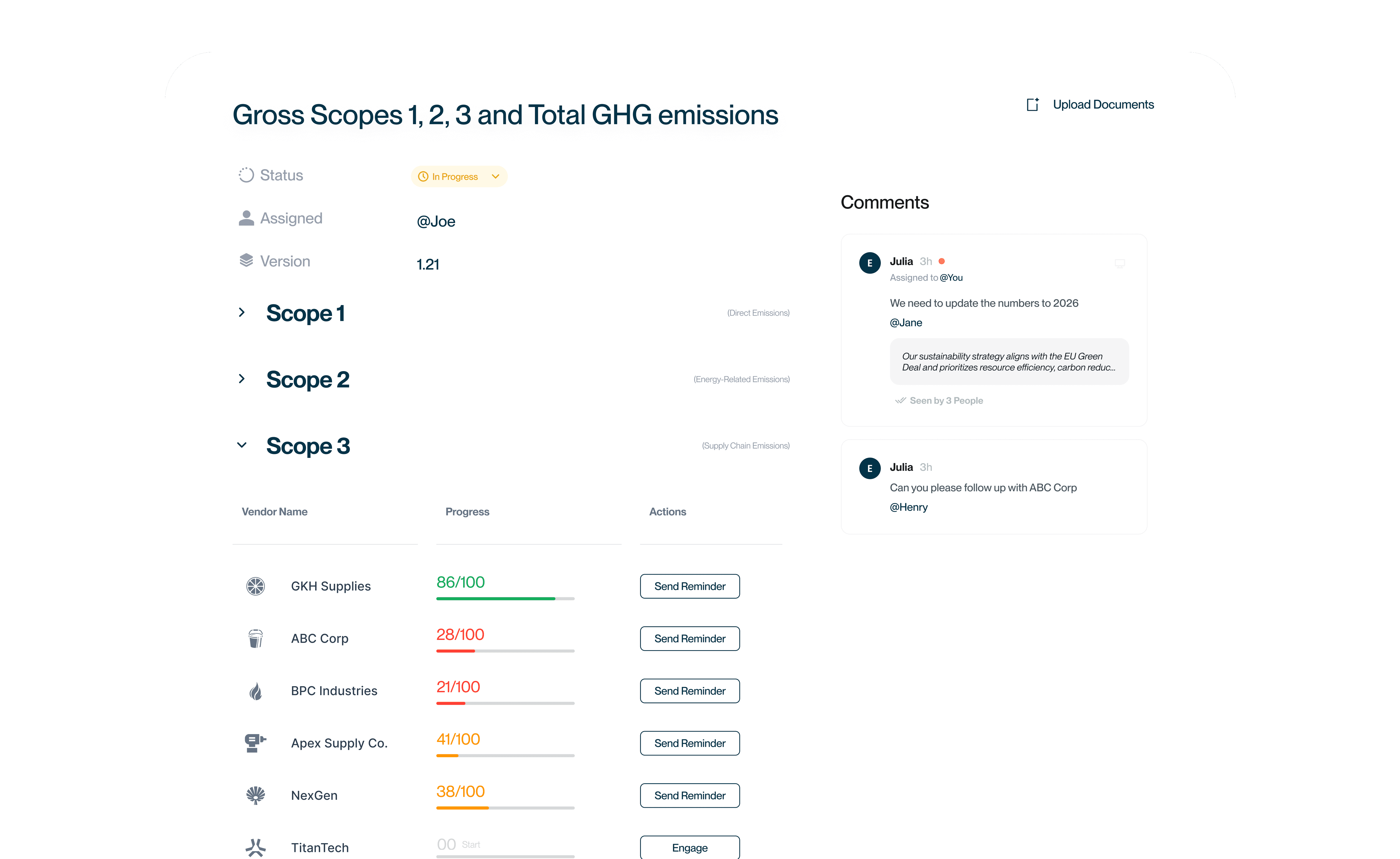
You must declare carbon footprint per battery model and manufacturing plant. That requires emissions data from every supplier—cathode materials, cell manufacturing, assembly. Most suppliers have never calculated their carbon footprint. You can't declare what you don't have.
From February 2027, every EV and industrial battery needs a digital passport with verified lifecycle data—chemistry, carbon footprint, recycled content, durability parameters. The data must be accurate, auditable, and accessible via QR code. Spreadsheets cannot support this at scale.
Due diligence requires tracing cobalt, lithium, nickel, and graphite back to source. Your Tier 1 supplier buys from Tier 2. Tier 2 sources from miners you've never heard of. Without structured data collection across tiers, you cannot demonstrate compliant sourcing.
By 2027, you must document recycled content percentages. By 2031, you must meet minimums—16% cobalt, 6% lithium, 6% nickel. Proving recycled content requires chain-of-custody evidence from recyclers through processors to your manufacturing line. Most supply chains cannot provide this today.
Certivo In Action
EU Batteries Regulation Workflow


Automotive Manufacturing
Pain Point
Carbon footprint declarations live; passport deadline approaching

Electronics Manufacturing
Pain Point
Multi-tier supply chain due diligence for critical raw materials

Energy & Infrastructure
Pain Point
Industrial batteries >2 kWh subject to full requirements

Consumer Goods
Pain Point
Portable battery collection targets; removability requirements

E-Mobility / LMT
Pain Point
Light means of transport batteries have specific timeline

Industrial & Heavy Equipment
Pain Point
Industrial batteries face carbon footprint requirements from 2026

SLI Batteries
Pain Point
Starting/lighting/ignition batteries have recycled content obligations

Chemical Manufacturing
Pain Point
Material recovery targets; battery health data requirements
94% Supplier Data Coverage
CORA-powered regulatory intelligence collects emissions and material data from suppliers who've never reported it. You calculate and declare with confidence.
8 Weeks Faster to Compliance
Automated supplier engagement and validation means you're ready before deadlines—not scrambling after them.
Battery Passport Ready
Build your battery passport dataset now. When February 2027 arrives, you generate passports—not excuses.
Key Statistics
Frequently Asked Questions
What carbon footprint data do I need from suppliers?
The regulation requires lifecycle emissions data covering raw material extraction, processing, cell manufacturing, and battery assembly. You need activity data and emissions factors from each supplier in your chain. Certivo's supplier campaigns collect this data in any format, and CORA-driven compliance intelligence extracts and validates it automatically.
When do digital battery passports become mandatory?
Battery passports are mandatory from February 18, 2027 for EV batteries and industrial batteries with capacity greater than 2 kWh. The passport must be accessible via QR code and contain verified data on chemistry, carbon footprint, recycled content, and durability. Certivo helps you build passport-ready datasets now.
What are the due diligence requirements for critical raw materials?
You must implement a due diligence policy covering cobalt, lithium, nickel, and natural graphite. This includes supply chain mapping, risk assessment, third-party verification, and public reporting. The deadline was postponed to August 2027, but preparation should start now. Certivo documents your due diligence evidence across supply chain tiers.
How does Certivo help with recycled content documentation?
From January 2027, you must document recycled content percentages for cobalt, lithium, nickel, and lead. By 2031, you must meet minimum thresholds. Certivo collects chain-of-custody evidence from recyclers and processors, validates recycled content claims, and generates audit-ready documentation.
Does the regulation apply to batteries imported into the EU?
Yes. The regulation applies to all batteries placed on the EU market, regardless of where they're manufactured. Importers bear responsibility for ensuring compliance with carbon footprint, labeling, due diligence, and all other requirements. Certivo tracks compliance obligations across your entire battery portfolio.