

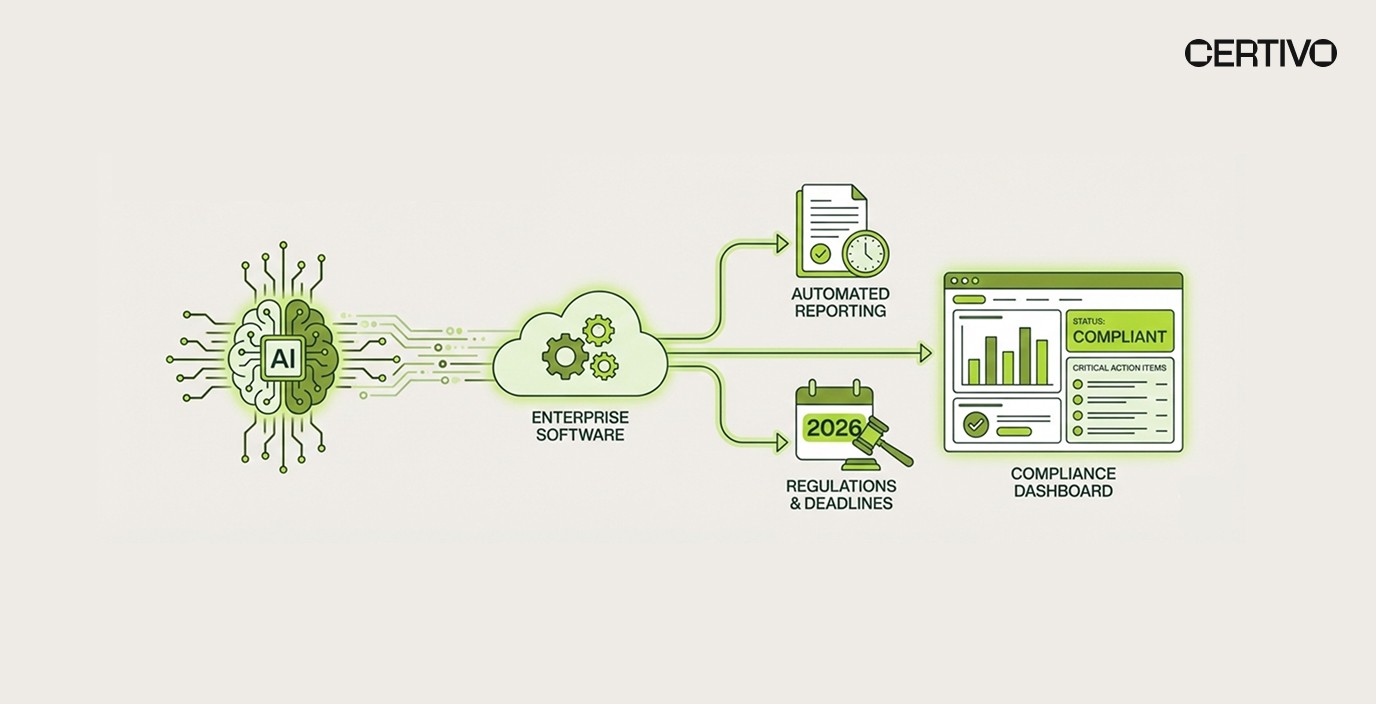
Massachusetts has enacted one of the nation's most comprehensive PFAS regulatory frameworks, and 2026 marks a pivotal compliance year for manufacturers, importers, and businesses operating in the state. The Massachusetts Department of Environmental Protection (MassDEP) has established dual-track PFAS requirements under the Toxics Use Reduction Act (TURA) and consumer product restriction laws that create mandatory reporting, planning, and phase-out obligations effective throughout 2026.
For compliance leaders, environmental health and safety managers, and executive teams, understanding Massachusetts PFAS compliance requirements is no longer optional—it's a business-critical imperative that affects product portfolios, supply chain operations, regulatory risk exposure, and market access. Organizations that fail to meet 2026 deadlines face enforcement actions, financial penalties, and potential product recalls that can severely impact revenue and reputation.
This comprehensive guide explains what changed for Massachusetts PFAS compliance in 2026, who must comply, critical reporting and planning deadlines, and how AI-powered compliance management platforms help organizations navigate these complex, evolving requirements while maintaining operational efficiency and regulatory readiness.
Table of Contents
What Changed for Massachusetts PFAS Compliance in 2026
Understanding the Dual-Track PFAS Regulatory Framework
Who Must Comply with Massachusetts PFAS Requirements in 2026
Critical 2026 Deadlines and Compliance Timeline
TURA Reporting Thresholds and Planning Obligations
Consumer Product PFAS Restrictions Effective 2026
Business Risks, Penalties, and Executive-Level Impact
2026 Massachusetts PFAS Compliance Action Checklist
How Certivo Simplifies Massachusetts PFAS Compliance
1. What Changed for Massachusetts PFAS Compliance in 2026
The year 2026 represents a major escalation in Massachusetts PFAS compliance enforcement and obligations. MassDEP announced comprehensive regulatory updates effective January 1, 2025, establishing 2026 as a mandatory planning and reporting year with several critical compliance triggers:
PFAS Designated as TURA "NOL" Category
Massachusetts designated PFAS substances as a "Notice of List" (NOL) category under TURA, effective for 2026 reporting. This designation creates mandatory reporting obligations for facilities that manufacture, process, or otherwise use PFAS substances above specified thresholds.
Elimination of De Minimis Exemption
Unlike other TURA-listed substances, PFAS carries no de minimis exemption. This means facilities must report PFAS presence at any concentration level when aggregate quantities exceed the 100-pound reporting threshold. This eliminates the traditional exemption for trace amounts that apply to other regulated substances.
Addition of New PFAS Substances for 2026 Reporting
MassDEP expanded the PFAS reporting list for the July 1, 2026 compliance deadline by adding:
Perfluorohexanoic acid (PFHxA) - CAS 307-24-4
Sodium perfluorohexanoate - CAS 2923-26-4
Organizations must assess whether these substances are present in materials, products, or manufacturing processes and include them in 2026 TURA reporting calculations.
Consumer Product PFAS Phase-Out Begins
January 1, 2026 marks the effective date for elimination of intentionally added PFAS in multiple consumer product categories, fundamentally altering product formulations, supplier specifications, and compliance verification requirements for companies selling into Massachusetts markets.
Mandatory Planning Year Requirements
2026 is designated as a mandatory TURA planning year, requiring facilities meeting reporting thresholds to develop and submit Toxics Use Reduction (TUR) plans or Risk Characterization (RC) plans certified by MassDEP-approved planners. This planning obligation extends beyond simple reporting to strategic operational assessments.
These changes collectively transform Massachusetts PFAS compliance from passive substance tracking to active planning, reporting, and product reformulation requirements that demand systematic regulatory intelligence and compliance automation.
2. Understanding the Dual-Track PFAS Regulatory Framework
Massachusetts PFAS compliance operates through two parallel regulatory pathways that create overlapping but distinct obligations:
Track 1: TURA Program Requirements
The Toxics Use Reduction Act establishes reporting, planning, and reduction obligations for facilities that manufacture, process, or use PFAS substances above threshold quantities. According to the Massachusetts Department of Environmental Protection (MassDEP), PFAS reporting and planning obligations under the Toxics Use Reduction Act (TURA) apply to facilities exceeding state reporting thresholds.
Official source (MassDEP): https://www.mass.gov/toxics-use-reduction-act-tura-program
TURA requirements apply to:
Manufacturing facilities with 10 or more full-time employees
Facilities using listed toxic substances above reporting thresholds
Annual reporting of toxic substance use, releases, and management practices
Planning requirements during designated planning years
Certification by approved planners for TUR/RC plans
TURA compliance focuses on facility-level substance use, employee notification, and toxics use reduction strategies.
Track 2: Consumer Product Restrictions
Massachusetts consumer product laws prohibit the sale of products containing intentionally added PFAS in specified categories. These restrictions apply to:
Product manufacturers and importers
Retailers and distributors selling into Massachusetts
Specific product categories with defined effective dates
Supply chain documentation proving PFAS-free status
Consumer product compliance focuses on product-level composition, supplier declarations, and market access requirements.
Why Dual-Track Compliance Matters
Organizations must navigate both regulatory frameworks simultaneously. A manufacturer operating a facility in Massachusetts faces TURA reporting obligations while also ensuring consumer products sold in the state meet PFAS restriction requirements. This dual compliance burden requires unified compliance data systems that track facility-level substance use and product-level composition in integrated platforms.
3. Who Must Comply with Massachusetts PFAS Requirements in 2026
Massachusetts PFAS compliance obligations extend across multiple industry sectors and business functions:
Manufacturing Facilities Subject to TURA Reporting
Facilities meeting all of the following criteria must comply with PFAS TURA reporting requirements:
Employ 10 or more full-time employees
Manufacture, process, or otherwise use PFAS substances
Use quantities exceeding 100 pounds per calendar year (aggregate across all PFAS)
Operate within Massachusetts or sell products into the state
Affected industries include:
Chemical manufacturing
Textile and fabric treatment operations
Metal plating and surface treatment facilities
Electronics and semiconductor manufacturing
Food packaging production
Paper and packaging conversion
Automotive component manufacturing
Consumer Product Manufacturers and Importers
Organizations manufacturing or importing consumer products containing intentionally added PFAS must comply with product restriction requirements if they:
Manufacture products sold in Massachusetts
Import products for distribution in Massachusetts
Supply products to retailers serving Massachusetts markets
Product categories affected by 2026 restrictions:
Food packaging - containers, wrappers, utensils, food contact materials
Children's products - toys, clothing, furniture, accessories
Fabric treatments - clothing, upholstery, outdoor gear
Carpets and rugs - residential and commercial flooring
Firefighter turnout gear (2027 effective date)
Retailers and Distributors
Retailers selling consumer products in Massachusetts bear responsibility for verifying PFAS compliance before offering products for sale. This creates supply chain verification obligations that require supplier declaration management systems and product composition documentation.
Supply Chain and Procurement Teams
Organizations supplying materials, components, or finished products to companies subject to Massachusetts PFAS compliance must provide accurate PFAS declarations, compositional data, and compliance certifications. Supply chain compliance extends PFAS obligations to:
Raw material suppliers
Component manufacturers
Chemical suppliers providing processing aids
Packaging suppliers
Contract manufacturers
Executive Leadership and Compliance Functions
Ultimate compliance responsibility rests with organizational leadership, including:
CEOs and CFOs - financial liability and strategic risk management
Compliance directors - regulatory strategy and reporting oversight
EHS managers - facility-level compliance execution
Product stewardship teams - product portfolio compliance assessment
Procurement leaders - supplier compliance verification
The distributed nature of Massachusetts PFAS compliance obligations demands cross-functional compliance infrastructure that provides visibility across facilities, products, suppliers, and regulatory requirements.
4. Critical 2026 Deadlines and Compliance Timeline
Massachusetts PFAS compliance in 2026 involves multiple deadlines across TURA reporting, planning, and consumer product restrictions:
Compliance Obligation | Deadline | Applies To | Key Requirement |
|---|---|---|---|
Employee Notification | January 1, 2026 | TURA-covered facilities | Notify employees of PFAS use; post NOL in workplace |
Consumer Product PFAS Ban | January 1, 2026 | Product manufacturers/retailers | Eliminate intentionally added PFAS in food packaging, children's products, fabric treatments, carpets |
TURA Form S Reporting | July 1, 2026 | Facilities exceeding 100 lbs PFAS use | Submit annual toxic chemical reporting for 2025 calendar year |
TUR/RC Plan Submission | July 1, 2026 | TURA-covered facilities | Submit certified Toxics Use Reduction or Risk Characterization plans |
Firefighter Turnout Gear Ban | January 1, 2027 | Manufacturers/retailers | Prohibit sale of firefighter gear containing PFAS |
Understanding the January 1, 2026 Employee Notification Deadline
Facilities subject to TURA PFAS reporting must notify employees by January 1, 2026 that the facility uses PFAS substances. This notification must be posted in prominent workplace locations and documented for compliance verification.
The Critical July 1, 2026 Reporting Deadline
July 1, 2026 represents the most significant compliance deadline, requiring:
TURA Form S Submission - Detailed reporting of PFAS quantities used, manufactured, processed, and released during the 2025 calendar year. Form S requires:
Aggregate PFAS quantities across all listed substances
Use categories and process descriptions
Release and waste management data
Pollution prevention activities
TUR/RC Plan Certification - Because 2026 is a mandatory planning year, facilities must submit either:
Toxics Use Reduction (TUR) Plan - comprehensive analysis of PFAS use with reduction options
Risk Characterization (RC) Plan - assessment of PFAS-related risks and management practices
Plans must be prepared and certified by MassDEP-approved planners, requiring engagement of qualified professionals well in advance of the July 1 deadline.
Consumer Product Compliance Timeline
The January 1, 2026 effective date for consumer product PFAS restrictions means products manufactured, imported, or offered for sale after this date must be PFAS-free in covered categories. Organizations need accelerated product compliance timelines to reformulate products, verify supplier compliance, and update product documentation before the restriction takes effect.
5. TURA Reporting Thresholds and Planning Obligations
Understanding Massachusetts PFAS compliance under TURA requires clarity on reporting thresholds, calculation methods, and planning obligations:
The 100-Pound Aggregate Reporting Threshold
Facilities must report PFAS use when aggregate quantities across all PFAS substances exceed 100 pounds per calendar year. Key aspects of threshold calculation:
Aggregate Calculation - The 100-pound threshold applies to the combined total of all PFAS substances used, manufactured, processed, or otherwise present at the facility. Organizations cannot evaluate each PFAS substance individually against the threshold.
No De Minimis Exemption - Unlike other TURA substances that allow exemption for concentrations below 1%, PFAS has no concentration threshold. Any amount of PFAS in materials counts toward the aggregate 100-pound threshold regardless of concentration.
Inclusion of All PFAS Forms - The threshold calculation includes PFAS present in:
Raw materials and feedstocks
Manufacturing process chemicals
Surface treatments and coatings
Cleaning agents and processing aids
Products manufactured at the facility
Byproducts and waste streams
Newly Added PFAS Substances for 2026
Organizations must include the newly listed PFAS substances in 2026 threshold calculations:
Perfluorohexanoic acid (PFHxA) - commonly used in industrial processes and consumer products as a shorter-chain PFAS alternative
Sodium perfluorohexanoate - salt form of PFHxA used in various applications
The addition of these substances may push facilities over the reporting threshold even if they were below 100 pounds in previous years when these substances were not listed.
TURA Planning Requirements for 2026
Facilities exceeding reporting thresholds during a mandatory planning year must develop comprehensive TUR or RC plans. Planning requirements include:
Plan Components:
Detailed process flow diagrams showing PFAS use
Quantification of PFAS inputs, outputs, and releases
Identification of PFAS reduction opportunities
Economic analysis of reduction options
Implementation timeline for selected options
Performance goals and metrics
Certification Requirements:
Plans must be prepared by or with assistance from MassDEP-approved TURA planners
Facility management must certify plan accuracy
Plans must be retained on-site for regulatory inspection
Planning Cycle Timing: Facilities should begin planning activities immediately to meet the July 1, 2026 deadline. Planning typically requires 3-6 months for complex facilities, including data collection, process analysis, option evaluation, and planner certification.
Organizations lacking internal PFAS data management systems face significant challenges assembling the detailed substance use data required for accurate TURA reporting and planning.
6. Consumer Product PFAS Restrictions Effective 2026
The January 1, 2026 effective date for consumer product PFAS restrictions creates immediate compliance obligations for product manufacturers, importers, and retailers:
Products Subject to PFAS Elimination Requirements
Food Packaging (Effective January 1, 2026)
Massachusetts prohibits the sale of food packaging containing intentionally added PFAS, including:
Food containers and serving ware
Bakery and deli packaging
Take-out containers
Food wrappers and bags
Disposable plates, bowls, and utensils
Pizza boxes and fast-food packaging
Microwave popcorn bags
Organizations in the food packaging industry must verify that all materials, coatings, and treatments used in packaging products are PFAS-free and obtain supplier certifications documenting compliance.
Children's Products (Effective January 1, 2026)
Products designed or intended for use by children under 12 years of age cannot contain intentionally added PFAS:
Clothing and accessories
Toys and games
Furniture and bedding
Car seats and strollers
School supplies
Outdoor play equipment
Fabric Treatments (Effective January 1, 2026)
Prohibition on intentionally added PFAS in fabric treatments applies to:
Stain-resistant treatments for clothing and upholstery
Water-resistant coatings for outdoor gear
Soil-release treatments for textiles
Wrinkle-resistant finishes
Textile manufacturers and apparel companies must reformulate products using PFAS-free alternatives and implement supplier compliance verification programs.
Carpets and Rugs (Effective January 1, 2026)
Massachusetts prohibits sale of carpets and rugs containing intentionally added PFAS in:
Fibers and yarns
Backing materials
Stain-resistant treatments
Adhesives and installation materials
Firefighter Turnout Gear Restrictions (Effective 2027)
Beginning January 1, 2027, Massachusetts prohibits the sale of firefighter personal protective equipment (turnout gear) containing PFAS. This delayed effective date recognizes the technical challenges in developing PFAS-free alternatives for high-performance protective equipment while providing manufacturers additional time for product reformulation.
Compliance Verification Requirements
Organizations must demonstrate consumer product PFAS compliance through:
Supplier Declarations - Written certifications from material and component suppliers confirming absence of intentionally added PFAS
Product Testing - Laboratory analysis verifying PFAS absence in finished products where supplier declarations are unavailable or unreliable
Supply Chain Documentation - Maintaining records proving due diligence in verifying PFAS-free status across multi-tier supply chains
Compliance Certificates - Providing documentation to retailers and customers demonstrating Massachusetts PFAS compliance
Organizations lacking automated compliance documentation systems struggle to manage the volume of supplier declarations, test reports, and compliance certificates required for market access.
7. Business Risks, Penalties, and Executive-Level Impact
Non-compliance with Massachusetts PFAS requirements creates significant financial, operational, and reputational risks that extend to executive leadership:
Regulatory Enforcement and Penalties
MassDEP actively enforces TURA compliance requirements with penalties including:
Civil penalties for failure to submit required reports
Additional penalties for late submissions
Enforcement actions requiring immediate compliance
Public disclosure of non-compliance creating reputational damage
While specific penalty amounts vary based on violation severity and duration, enforcement actions can result in substantial financial liability and ongoing regulatory oversight.
Product Recall and Market Access Risks
Sale of consumer products containing PFAS after restriction effective dates triggers:
Mandatory product recalls requiring retrieval of non-compliant products from distribution channels
Retailer penalties for selling prohibited products
Loss of retail partnerships as major retailers implement supplier compliance requirements
Market exclusion from Massachusetts commerce
For organizations generating significant revenue from Massachusetts markets, PFAS non-compliance can result in immediate revenue loss and long-term market access restrictions.
Supply Chain Disruption
Failure to verify supplier PFAS compliance creates cascading operational impacts:
Production delays when suppliers cannot provide required certifications
Emergency reformulation requiring accelerated product development
Supplier qualification failures necessitating alternative sourcing
Inventory obsolescence for products containing non-compliant materials
Organizations without proactive risk management systems discover supply chain compliance gaps too late to avoid operational disruption.
Litigation and Liability Exposure
PFAS-related litigation continues expanding, with manufacturers facing:
Product liability claims from consumers and downstream customers
Environmental contamination claims related to PFAS releases
Class action lawsuits for failure to disclose PFAS presence
Insurance coverage disputes as carriers exclude PFAS-related claims
Executive Fiduciary Responsibility
Board members and executive officers bear fiduciary duties regarding environmental compliance risk management. Massachusetts PFAS compliance failures that result in:
Material financial losses
Regulatory sanctions
Reputational damage
Market access restrictions
can create potential personal liability for executives who failed to implement adequate compliance systems and oversight.
Competitive Disadvantage
Organizations achieving Massachusetts PFAS compliance gain competitive advantages including:
Preferred supplier status with major retailers and enterprise customers
Market access without compliance-driven delays
Brand reputation as environmentally responsible suppliers
Operational efficiency through systematic compliance infrastructure
Companies deferring PFAS compliance investments face increasing competitive pressure from better-prepared rivals.
8. 2026 Massachusetts PFAS Compliance Action Checklist
Organizations subject to Massachusetts PFAS requirements should implement the following compliance actions immediately:
☑ Conduct Comprehensive PFAS Inventory
Facility-Level Assessment:
Identify all materials, chemicals, and products containing PFAS
Calculate aggregate PFAS quantities to determine TURA reporting obligations
Include newly listed PFAS substances (PFHxA and sodium perfluorohexanoate)
Document PFAS sources and use categories
Product-Level Assessment:
Evaluate product portfolios for consumer product restriction applicability
Identify products requiring reformulation or supplier verification
Prioritize high-volume or high-revenue products for immediate action
☑ Implement Employee Notification Requirements
If subject to TURA reporting:
Prepare employee notification documentation
Post NOL workplace notices by January 1, 2026
Maintain records demonstrating compliance with notification obligations
☑ Engage MassDEP-Approved TURA Planner
For facilities requiring TUR/RC plans:
Identify and contract with certified TURA planners well before July 1, 2026
Initiate planning process allowing adequate time for data collection and analysis
Schedule planner facility visits and process assessments
Allocate resources for plan development and certification
☑ Establish Supplier PFAS Declaration Programs
Launch systematic supplier engagement:
Develop standardized PFAS declaration templates aligned with Massachusetts requirements
Distribute declarations to all material, component, and chemical suppliers
Track supplier response rates and follow up on non-responses
Validate supplier declarations against product specifications and testing data
Implement supplier performance scorecards prioritizing compliance data quality
☑ Reformulate Non-Compliant Products
For products subject to consumer restrictions:
Identify PFAS-free alternative materials and treatments
Conduct product testing validating performance of alternatives
Update product specifications and manufacturing processes
Verify that reformulated products meet all regulatory requirements
Update product documentation and marketing materials
☑ Centralize PFAS Compliance Data
Replace spreadsheets and email-based tracking with systematic infrastructure:
Implement centralized compliance data platforms providing single-source-of-truth visibility
Integrate PFAS data with ERP, PLM, and quality management systems
Establish data governance ensuring accuracy and auditability
Create reporting workflows enabling rapid response to regulatory deadlines
☑ Monitor Regulatory Developments
Massachusetts PFAS regulations continue evolving:
Track MassDEP guidance updates and enforcement actions
Monitor proposed expansions of restricted product categories
Assess impacts of new PFAS substance additions to reporting lists
Participate in industry associations and regulatory comment processes
Organizations lacking continuous regulatory monitoring capabilities discover compliance gaps too late to avoid violations.
☑ Prepare TURA Reporting Documentation
Assemble required data for July 1, 2026 submissions:
Compile PFAS quantity data for 2025 calendar year
Document PFAS use categories and process applications
Calculate releases and waste management quantities
Prepare Form S submissions with supporting documentation
Submit certified TUR/RC plans meeting MassDEP requirements
☑ Conduct Compliance Training
Educate cross-functional teams:
Train procurement teams on supplier PFAS verification requirements
Educate product development teams on PFAS restrictions and alternatives
Inform manufacturing operations on TURA reporting and planning obligations
Brief executive leadership on compliance risks and strategic implications
☑ Establish Audit-Ready Documentation
Organize compliance evidence:
Maintain supplier PFAS declarations organized by product and supplier
Retain product testing reports demonstrating PFAS-free status
Document reformulation activities and alternative material evaluations
Preserve TURA reporting submissions and planner certifications
Create compliance files enabling rapid response to regulatory inquiries
9. How Certivo Simplifies Massachusetts PFAS Compliance
Certivo provides manufacturers and consumer product companies with an AI-powered compliance management platform specifically designed to navigate the complexity of Massachusetts PFAS compliance:
Unified PFAS Data Infrastructure
Certivo creates a single source of truth for PFAS compliance data across facilities, products, suppliers, and regulatory requirements. The platform integrates:
Facility-level PFAS tracking for TURA reporting and threshold monitoring
Product-level composition data for consumer product restrictions
Supplier declaration management consolidating PFAS certifications
Multi-state compliance visibility across Massachusetts and other PFAS regulations
Organizations replace fragmented spreadsheets and email archives with centralized infrastructure that provides real-time compliance status across the enterprise.
Automated Threshold Monitoring and Reporting
Certivo continuously monitors PFAS quantities against the 100-pound TURA reporting threshold:
Automated threshold calculations aggregating PFAS across all listed substances
Real-time alerts when facilities approach or exceed reporting thresholds
Inclusion of newly listed substances automatically updating calculations
Form S preparation support assembling required reporting data
The platform eliminates manual threshold tracking and ensures organizations meet the July 1, 2026 TURA reporting deadline with complete, accurate submissions.
Intelligent Supplier Declaration Management
Certivo automates supplier PFAS verification:
Standardized declaration templates aligned with Massachusetts requirements
Automated supplier engagement workflows distributing declarations and tracking responses
Validation rules flagging incomplete or inconsistent supplier data
Supplier performance analytics identifying high-risk suppliers requiring remediation
Organizations scale supplier compliance verification across hundreds of suppliers without manual follow-up that delays compliance timelines.
AI-Powered Regulatory Intelligence
Certivo's AI continuously monitors Massachusetts PFAS regulatory developments:
Automatic tracking of MassDEP guidance updates and enforcement actions
Impact assessment identifying affected products and facilities
Deadline alerts ensuring organizations meet compliance timelines
Regulatory change notifications delivered to relevant stakeholders
The platform eliminates manual regulatory research and ensures compliance teams stay current with evolving Massachusetts PFAS requirements.
Product Compliance and Reformulation Support
Certivo enables systematic product portfolio management:
Product-level PFAS assessment identifying products subject to restrictions
Reformulation tracking managing alternative material evaluations
Compliance verification workflows validating PFAS-free status
Market access dashboards showing compliance status by product and jurisdiction
Organizations launch reformulated products faster while maintaining compliance documentation proving Massachusetts market readiness.
TURA Planning and Certification Readiness
Certivo supports TURA planning requirements:
PFAS use data compilation providing detailed information for planner assessments
Process flow documentation supporting TUR/RC plan development
Reduction option tracking managing evaluation of PFAS alternatives
Planner collaboration tools facilitating data exchange with certified TURA planners
The platform accelerates planning processes and ensures organizations meet the July 1, 2026 TUR/RC plan submission deadline.
Audit-Ready Documentation at Scale
Certivo organizes compliance evidence:
Automated documentation assembly generating compliance files by facility, product, or regulatory program
Supplier certification repositories maintaining current PFAS declarations
Product testing records linking laboratory reports to compliance status
Compliance history tracking demonstrating due diligence over time
Organizations respond to regulatory inquiries and customer audits with confidence, producing complete documentation in minutes rather than weeks.
Cross-Functional Collaboration
Certivo connects compliance, procurement, product development, and operations teams:
Role-based access providing relevant compliance information to each stakeholder
Workflow automation routing compliance tasks to appropriate team members
Notification systems alerting teams to compliance actions requiring attention
Executive dashboards giving leadership visibility into compliance status and risks
The platform transforms Massachusetts PFAS compliance from siloed activities to coordinated, enterprise-wide capabilities.
Conclusion
Massachusetts PFAS compliance in 2026 represents a critical regulatory inflection point requiring immediate action from manufacturers, consumer product companies, and organizations with facilities or market presence in the state. The combination of TURA reporting obligations, mandatory planning requirements, and consumer product restrictions creates a complex compliance landscape that manual processes cannot navigate effectively.
The January 1, 2026 employee notification deadline and consumer product PFAS elimination requirements are already in effect. The July 1, 2026 TURA reporting and planning deadline approaches rapidly, requiring organizations to engage MassDEP-approved planners, compile detailed PFAS use data, and submit certified plans within compressed timelines.
Organizations that treat Massachusetts PFAS compliance as a documentation exercise rather than a strategic capability will face enforcement actions, product recalls, market access restrictions, and competitive disadvantages. Those that invest in systematic compliance infrastructure—automated PFAS tracking, supplier declaration management, regulatory monitoring, and audit-ready documentation—will navigate 2026 requirements successfully while positioning for future PFAS regulatory expansions.
The question is not whether your organization will achieve Massachusetts PFAS compliance in 2026. The question is whether you will build the compliance infrastructure required to maintain continuous compliance as PFAS regulations expand across multiple states and federal agencies.
Ready to transform your Massachusetts PFAS compliance approach? Contact Certivo to see how AI-powered compliance automation helps organizations meet 2026 TURA reporting deadlines, manage consumer product restrictions, and maintain audit-ready documentation across evolving PFAS regulations.
Vasanth
Vasanth is a skilled Compliance Engineer with over five years of experience specializing in global environmental regulations, including REACH, RoHS, Proposition 65, POPs, TSCA, PFAS, CMRT, EMRT, FMD, and IMDS. With a strong academic foundation in Chemical Engineering from Anna University, he brings a deep technical understanding to compliance processes across complex product lines.
Vasanth excels in analyzing Bills of Materials (BOMs), evaluating supplier declarations, and ensuring regulatory conformity through meticulous review and risk assessment. He is highly proficient in supplier engagement, adept at interpreting material disclosures, and experienced in preparing customer-ready compliance documentation tailored to diverse global standards.
Known for his attention to detail, up-to-date regulatory knowledge, and proactive communication style, Vasanth plays a critical role in maintaining product compliance and advancing sustainability goals within fast-paced, globally integrated manufacturing environments.