


Global manufacturers face an expanding regulatory landscape where product compliance management determines market access, operational continuity, and legal exposure. As substance restrictions multiply across jurisdictions and enforcement agencies demand real-time verification, the shift from periodic compliance audits to continuous regulatory monitoring has become a strategic imperative.
Product compliance management now requires BOM-level compliance intelligence, multi-tier supplier coordination, and substance-specific reporting across REACH, RoHS, PFAS, and conflict minerals. This guide examines the regulatory requirements, operational challenges, and strategic infrastructure needed to maintain continuous audit-ready documentation while reducing time-to-market delays.
Table of Contents
Why Product Compliance Management Has Become a Strategic Priority
Core Regulatory Frameworks Governing Product Compliance
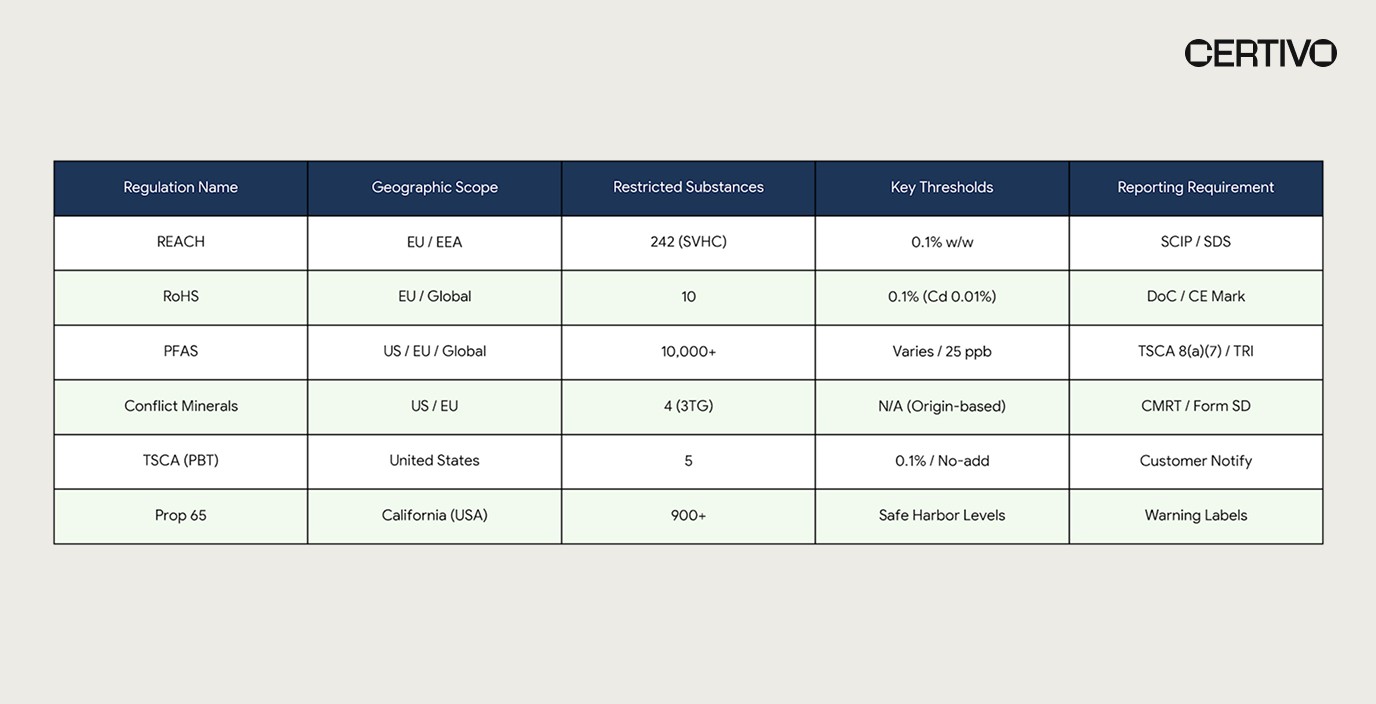
Key Compliance Requirements and Substance Thresholds
Industries and Product Categories Under Greatest Scrutiny
Documentation and Data Collection Challenges
Compliance Risks, Penalties, and Enforcement Trends
Supply Chain Impact and Supplier Data Requirements
Regulatory Timeline and Future Enforcement Outlook
Strategic Compliance Readiness Framework
How AI-Native Compliance Automation Supports Scale
Frequently Asked Questions
Conclusion
Why Product Compliance Management Has Become a Strategic Priority
Regulatory complexity now touches every stage of product development and commercialization. Manufacturers operating in multiple markets must simultaneously comply with EU substance restrictions, electronics requirements, chemical reporting mandates, and region-specific disclosure obligations.
The operational challenge extends beyond understanding regulations. Product compliance management requires BOM-level material mapping to identify restricted substances in components and subassemblies. Multi-tier supply chain transparency enables verification of supplier declarations and test reports across substance-specific reporting to multiple regulatory authorities with different formats and thresholds.
Non-compliance creates measurable business risk. Product recalls, market withdrawal orders, and regulatory penalties can reach millions of dollars. Delayed product launches due to incomplete compliance documentation cost manufacturers market share and revenue targets.
The shift to integrated PLM ERP compliance systems reflects recognition that compliance data must be structured, version-controlled, and accessible across engineering, procurement, quality, and regulatory functions.
Core Regulatory Frameworks Governing Product Compliance
Product compliance obligations vary by jurisdiction, industry sector, and product category. Manufacturers must understand overlapping requirements across chemical restrictions, material declarations, and environmental reporting mandates.
Major Regulatory Frameworks
REACH (Registration, Evaluation, Authorisation and Restriction of Chemicals)
REACH compliance applies to manufacturers and importers selling products in the European Economic Area. The regulation restricts Substances of Very High Concern (SVHCs) and requires notification when products contain listed substances above 0.1% weight by weight.
The ECHA Candidate List updates regularly, requiring continuous monitoring. Recent updates include REACH Annex XVII restrictions on CMR substances.
RoHS (Restriction of Hazardous Substances)
RoHS compliance restricts ten substances in electrical and electronic equipment sold in the EU and many other jurisdictions. Covered materials include lead, mercury, cadmium, hexavalent chromium, and specific brominated flame retardants. Maximum concentration values apply at the homogeneous material level.
China RoHS imposes parallel requirements with different implementation timelines. Understanding RoHS exemptions and their sunset dates prevents non-compliance as exemptions expire.
PFAS Restrictions
Per- and polyfluoroalkyl substances face increasing restrictions globally. PFAS regulations vary by jurisdiction but generally target intentionally added PFAS in consumer products, textiles, food packaging, and industrial applications.
Threshold levels range from total bans to specific concentration limits depending on product category and geography. State-level mandates in Minnesota and Massachusetts create overlapping obligations.
Conflict Minerals
The U.S. SEC Conflict Minerals Rule requires publicly traded companies to disclose use of tin, tantalum, tungsten, and gold sourced from the Democratic Republic of Congo or adjoining countries. EU conflict minerals regulation imposes similar obligations on importers.
TSCA (Toxic Substances Control Act)
TSCA compliance governs chemical substance manufacturing and import in the United States. The EPA TSCA Inventory requires notification for new chemicals and restricts certain substances for specific uses.
TSCA Section 8(a)(7) PFAS reporting imposes additional obligations for manufacturers and importers.
California Proposition 65
California's Safe Drinking Water and Toxic Enforcement Act requires warnings for products containing chemicals known to cause cancer or reproductive harm. The Proposition 65 chemical list includes hundreds of substances with specific safe harbor warning requirements.
Key Compliance Requirements and Substance Thresholds
Understanding threshold concentrations and reporting triggers prevents inadvertent non-compliance. Regulatory frameworks apply different measurement methodologies and exemption structures.
Critical Threshold Levels
Framework | Threshold | Measurement Level | Reporting Trigger |
|---|---|---|---|
REACH SVHC | 0.1% w/w | Article level | Notification to ECHA |
RoHS | 0.01% - 0.1% | Homogeneous material | Declaration required |
PFAS (State-level) | Varies 1-100 ppm | Product or component | Annual reporting |
Conflict Minerals | N/A | Supply chain sourcing | SEC filing if applicable |
Proposition 65 | Chemical-specific | Exposure level | Warning label required |
Manufacturers must implement BOM-level material mapping to track substances at the component level. Homogeneous material analysis for RoHS differs from article-level assessment under REACH, requiring different data collection and verification approaches.
Exemptions and exclusions add complexity. RoHS lead exemptions for specific applications sunset at different dates. REACH authorization pathways allow continued use of restricted substances under controlled conditions.
Design-for-compliance PLM workflows enable early identification of restricted substances during product development. Launching products faster requires embedding compliance checks at design stage gates.
Industries and Product Categories Under Greatest Scrutiny
Regulatory enforcement intensity varies by industry sector, product risk profile, and geographic market. Certain categories face heightened scrutiny due to consumer exposure, environmental persistence, or supply chain opacity.
High-Risk Product Categories
Electronics and Electrical Equipment: Semiconductor manufacturers and industrial automation companies face RoHS, REACH, and WEEE obligations. Component miniaturization increases difficulty of substance verification at homogeneous material level.
Automotive Components: Automotive compliance extends beyond traditional OEM requirements to include End-of-Life Vehicles Directive and conflict minerals disclosure. Emerging battery passport requirements under EU Batteries Regulation add complexity.
Medical Devices: Medical device manufacturers must coordinate product compliance with FDA requirements, biocompatibility testing, and material safety documentation. Regulatory overlap between REACH and medical device directives requires careful interpretation.
Cosmetics and Personal Care: Cosmetic brands face ingredient restrictions under EU Cosmetics Regulation, PFAS bans, microplastics restrictions, and state-level ingredient disclosure mandates.
Energy Storage and Batteries: Battery manufacturers must comply with substance restrictions, carbon footprint declarations, and digital battery passports under new EU requirements.
Aerospace and Defense: Aerospace manufacturers coordinate compliance with export controls, conflict minerals reporting, and supply chain security requirements.
Documentation and Data Collection Challenges
Product compliance management generates substantial documentation requirements across supplier questionnaires, material declarations, test reports, and regulatory submissions. Data quality and version control directly impact audit outcomes.
Primary Documentation Challenges
Supplier Data Collection: Manufacturers depend on suppliers to provide accurate material composition data, test certificates, and compliance declarations. Manual collection through email and spreadsheets creates version control issues and incomplete response rates.
Centralized supplier self-service portals improve response rates and data quality by providing structured questionnaires and automated follow-up. Streamlining supplier documentation reduces collection cycle time significantly.
BOM-Level Traceability: Complex products contain hundreds or thousands of components from multiple tiers of suppliers. Tracking substance presence at the homogeneous material level requires detailed BOM decomposition and material mapping.
BOM-level compliance intelligence systems link component-level declarations to finished product compliance status. This enables substance-level queries across product portfolios to identify regulatory exposure.
Multi-Framework Reporting: Different regulatory frameworks require different data formats, reporting frequencies, and submission portals. REACH SCIP database submissions, RoHS technical documentation, PFAS state-level reports, and conflict minerals filings each impose unique requirements.
Specialized substance reporting solutions maintain synchronized compliance data across frameworks. End-to-end compliance tools reduce duplicate data entry and improve reporting accuracy.
Version Control and Change Management: Regulatory updates, supplier changes, and product modifications require systematic tracking. When ECHA adds new SVHCs or EPA restricts additional PFAS compounds, manufacturers must identify affected products and update compliance documentation.
Regulatory intelligence and horizon scanning capabilities alert teams to relevant regulatory changes. This transforms reactive processes into strategic advantages.
Customer and Distributor Requests: Customers increasingly request product compliance data as part of their own due diligence obligations. Responding faster to customer RFQs reduces manual response time for compliance questionnaires.
Compliance Risks, Penalties, and Enforcement Trends
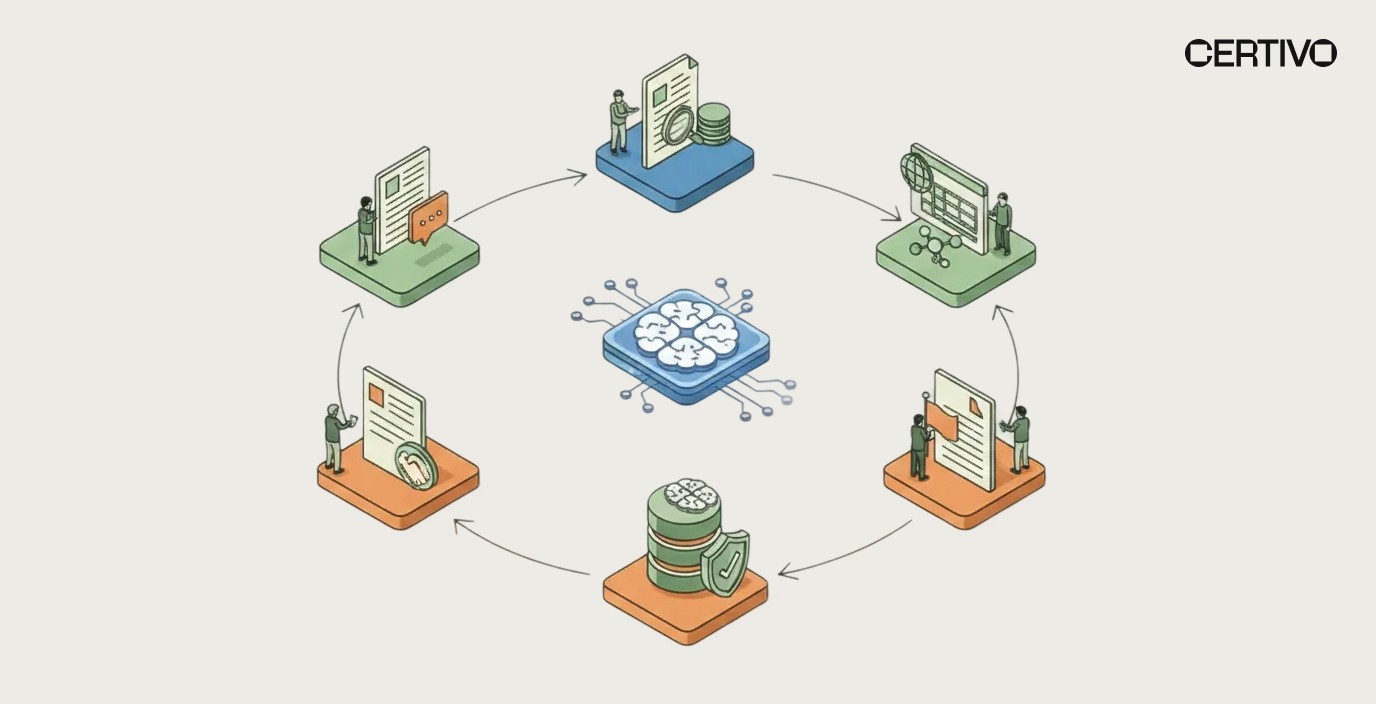
Non-compliance exposes manufacturers to financial penalties, market access restrictions, reputational damage, and operational disruption. Enforcement agencies have increased inspection frequency and penalty severity.
Financial and Operational Risk Exposure
Direct Financial Penalties: EU market surveillance authorities can impose fines up to 4% of annual turnover for REACH violations. RoHS non-compliance results in product sales bans and penalty proceedings.
State-level PFAS violations in California, Minnesota, and other jurisdictions carry per-product, per-day penalties. Proposition 65 enforcement through private litigation generates substantial settlement costs.
Product Recalls and Market Withdrawal: Substances exceeding regulatory thresholds require immediate corrective action. Recall costs include product retrieval, customer notification, disposal, and brand reputation impact. Market access delays while remediating compliance issues affect revenue forecasts and customer relationships.
Supply Chain Disruption: Non-compliant suppliers create downstream liability. When a supplier's material declaration proves inaccurate, manufacturers must identify all affected products, notify customers, and potentially halt shipments.
Managing compliance risk proactively includes supplier risk scoring to identify high-risk suppliers before compliance failures occur.
Customer Contract Breaches: Many purchase agreements include compliance warranties and indemnification clauses. Delivering non-compliant products triggers contract breach claims, financial penalties, and loss of future business.
Enforcement Trends: Regulatory authorities increasingly use data analytics to identify non-compliant products. Customs authorities screen imports for restricted substances. Market surveillance agencies conduct random testing and respond to consumer complaints.
PFAS enforcement has intensified following increased public attention to forever chemicals.
Supply Chain Impact and Supplier Data Requirements
Product compliance depends on accurate supplier data. Multi-tier supply chains complicate verification, particularly when component manufacturers do not interface directly with OEMs.
Supplier Data Requirements
Material Declarations: Suppliers must provide detailed material composition data identifying all substances above applicable thresholds. Standardized supplier questionnaire frameworks using IPC-1752, IMDS, or equivalent formats improve data consistency.
Collaborating with suppliers through structured portals reduces data collection friction and improves response quality.
Test Reports: Third-party laboratory testing verifies material composition claims. XRF screening, ICP-MS testing, and GC-MS analysis detect restricted substances. Test reports must include methodology, detection limits, and laboratory accreditation information.
Compliance Declarations: Suppliers certify products meet specific regulatory requirements. Declarations must reference applicable regulations, testing standards, and date ranges. Generic compliance statements without substance-specific data provide insufficient verification.
Change Notifications: Suppliers must notify manufacturers of material changes, process modifications, or facility relocations that could affect compliance status. Supplier self-service compliance portals facilitate real-time change notifications and documentation updates.
Multi-Tier Transparency: Components often contain subcomponents from additional suppliers. Achieving multi-tier supply chain transparency requires suppliers to collect and pass through compliance data from their own suppliers.
Supply chain certified programs establish verification standards across supplier tiers.
Regulatory Timeline and Future Enforcement Outlook
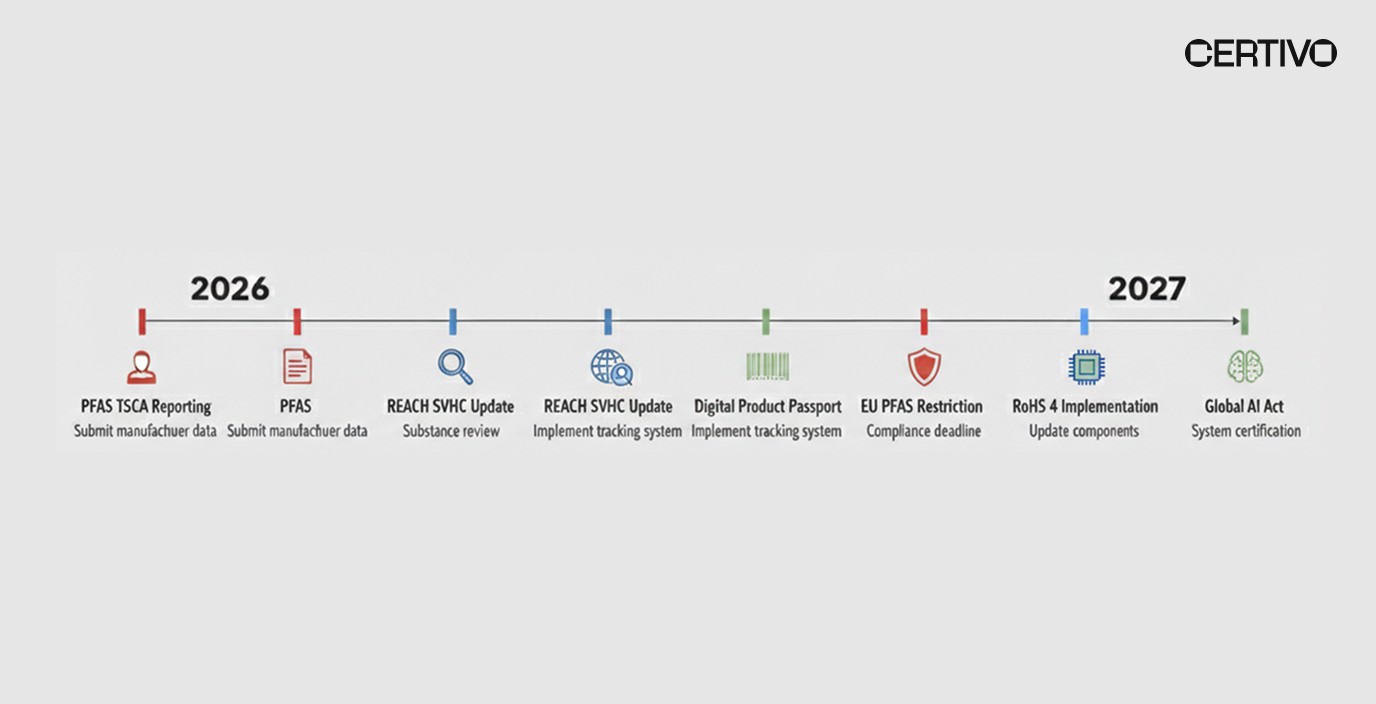
Understanding upcoming regulatory deadlines and enforcement priorities allows proactive preparation rather than reactive scrambling.
Near-Term Regulatory Deadlines (2026-2027)
PFAS Reporting and Restrictions:
TSCA Section 8(a)(7) PFAS reporting — Federal deadline 2026
Minnesota PFAS disclosure — July 1, 2026
Massachusetts PFAS reporting — Annual reporting begins 2026
EU Packaging PFAS ban — August 2026
Washington State PFAS sales ban — 2027
REACH and RoHS Updates:
REACH Annex XVII CMR restrictions — Phased implementation 2026
EU RoHS recovered PVC labeling — 2026
REACH Authorization recommendations — Ongoing Annex XIV additions
Other Regulatory Milestones:
EU Cyber Resilience Act — Phased enforcement begins 2027
EU Batteries Regulation — Digital passport requirements 2027
Buy America Act — Enhanced enforcement 2026
Long-Term Regulatory Trends
Regulatory frameworks continue expanding in substance coverage, geographic scope, and enforcement intensity. Digital passports and traceability IDs will become standard requirements for batteries, electronics, and textiles.
Extended Producer Responsibility programs shift end-of-life management obligations to manufacturers. CBAM (Carbon Border Adjustment Mechanism) links carbon intensity to market access.
Strategic Compliance Readiness Framework
Reactive compliance approaches fail at scale. Strategic compliance infrastructure treats regulatory readiness as continuous operational capability rather than periodic audit preparation.
Core Elements of Compliance Readiness
1. Centralized Compliance Data Repository
Maintain a single source of truth for supplier declarations, material test reports, BOM data, and regulatory submissions. Integrated PLM ERP compliance systems connect engineering, procurement, and regulatory data.
Replacing spreadsheets with scalable systems eliminates version control issues and data silos that plague manual compliance tracking.
2. Automated Supplier Data Collection
Deploy supplier self-service portals with standardized questionnaire frameworks. Automate follow-up reminders and data validation checks. Track supplier response rates and data completeness metrics. Link supplier compliance status to procurement approval workflows.
3. BOM-Level Substance Tracking
Implement BOM-level material mapping that decomposes products into components and homogeneous materials. Link material declarations to specific BOM line items. Enable substance-level queries across product portfolios to identify regulatory exposure.
4. Regulatory Change Monitoring
Establish regulatory intelligence and horizon scanning processes to track framework updates, new substance listings, and enforcement developments. Create impact assessment workflows that identify affected products when regulations change.
Maintain regulatory calendar tracking upcoming deadlines across jurisdictions. Centralizing market readiness moves organizations from fragmented compliance to unified strategic capability.
5. Cross-Functional Governance
Form compliance steering committees including representatives from engineering, procurement, quality, regulatory, and legal functions. Define roles and responsibilities for compliance data ownership, verification, and reporting. Establish escalation procedures for non-conformances and regulatory violations.
6. Design-for-Compliance Integration
Integrate compliance requirements into product development stage gates. Design-for-compliance PLM workflows flag restricted substances during material selection. Require compliance verification before design release and production approval.
7. Audit-Ready Documentation Standards
Maintain continuous audit-ready documentation organized by product, regulation, and reporting period. Ensure documentation includes complete traceability from finished product to component-level material declarations.
Version control all compliance records with clear change history. Staying audit-ready across frameworks requires systematic documentation management.
8. Customer-Facing Compliance Transparency
Deploy customer trust centers enabling customers to self-service compliance documentation requests. Provide standardized compliance summaries, certificates of compliance, and substance declarations. Reduce manual effort responding to customer questionnaires and RFQs.
How AI-Native Compliance Automation Supports Scale
Manual compliance management cannot scale as regulatory complexity increases and product portfolios expand. AI-native compliance automation reduces operational burden while improving accuracy and response time.
Key AI Capabilities in Product Compliance
Automated Document Intelligence: AI systems extract substance data from supplier declarations, test reports, and safety data sheets without manual data entry. Mill test report analysis demonstrates how AI reduces document processing time from hours to minutes.
CORA-Powered Regulatory Intelligence: CORA intelligence continuously monitors regulatory changes across jurisdictions and frameworks. When new substances are added to restriction lists or thresholds change, CORA-driven compliance intelligence identifies affected products and triggers impact assessments.
Substance-Level Risk Analysis: AI analyzes BOM data to identify potential compliance risks before they become violations. CORA-enabled analysis flags components containing substances approaching restriction thresholds or covered by pending regulations.
Automated Supplier Follow-Up: AI systems track supplier response rates and automatically escalate incomplete submissions. Smart questionnaire routing ensures suppliers receive requests matching their product categories and geographic scope.
Multi-Framework Cross-Mapping: AI maps substance declarations across different regulatory formats. A single supplier declaration can automatically populate REACH SCIP submissions, RoHS technical documentation, and state-level PFAS reports without duplicate data entry.
Predictive Compliance Gap Analysis: CORA's regulatory intelligence layer analyzes historical compliance data to predict which products face highest risk of future non-compliance. This enables proactive reformulation before regulatory enforcement.
AI tools for compliance management transform reactive firefighting into strategic regulatory positioning.
Frequently Asked Questions
What are the key features to look for in a product compliance management platform?
A comprehensive product compliance management platform must provide BOM-level substance tracking, automated supplier data collection portals, multi-framework regulatory reporting, and real-time regulatory change monitoring. Certivo delivers these capabilities through an integrated system combining centralized compliance data repository, standardized supplier questionnaire frameworks, and CORA-powered regulatory intelligence. The platform enables substance-level queries across product portfolios, automated impact assessments when regulations change, and audit-ready documentation organized by product and regulation.
How do product compliance platforms integrate with existing PLM and ERP systems?
Product compliance platforms must connect directly to PLM systems to access BOM data and ERP systems to link supplier information with procurement workflows. Certivo's integrated PLM ERP compliance architecture synchronizes material declarations with engineering BOMs, flags restricted substances during design reviews, and blocks non-compliant suppliers in procurement systems. CORA intelligence automatically maps component-level compliance data to finished product regulatory status without manual data transfer between systems.
What platforms can consolidate environmental, health, safety, and product compliance data?
Manufacturers need unified systems managing chemical substance restrictions, workplace safety requirements, environmental permits, and product-specific regulations simultaneously. Certivo consolidates compliance data across REACH, RoHS, PFAS, conflict minerals, TSCA, Proposition 65, and workplace chemical safety requirements in a single platform. CORA-driven compliance intelligence identifies overlaps between frameworks, eliminating duplicate data collection while ensuring all regulatory obligations are addressed. This centralized approach replaces fragmented spreadsheets and disconnected compliance tools.
How can companies streamline compliance for both chemical and non-chemical regulations?
Chemical substance restrictions represent only one compliance dimension alongside packaging regulations, cybersecurity requirements, conflict minerals, and carbon reporting mandates. Certivo's multi-framework coverage manages substance-level compliance while tracking non-chemical obligations like EU Cyber Resilience Act, digital product passports, and extended producer responsibility. CORA intelligence maintains unified regulatory calendars, alerts teams to overlapping requirements, and generates consolidated compliance reports covering all applicable frameworks.
What tools provide real-time visibility into compliance status for every product and region?
Manufacturers selling globally need instant visibility into product compliance status across different markets with varying regulatory requirements. Certivo provides real-time compliance dashboards showing product-level regulatory status by region, substance-level exposure across BOMs, supplier documentation completeness, and upcoming reporting deadlines. CORA-powered regulatory intelligence continuously updates compliance status as regulations change, automatically flagging products affected by new restrictions or threshold modifications without manual review.
How can organizations manage overlapping requirements from multiple regulations?
Multiple regulations often restrict the same substances at different thresholds or require similar data in different formats. Certivo's specialized substance reporting solutions identify substance overlaps across REACH, RoHS, PFAS, and other frameworks, eliminating duplicate supplier requests. CORA intelligence maps single substance declarations to all applicable regulatory reports, automatically converting data formats for REACH SCIP submissions, RoHS technical documentation, state-level PFAS reports, and conflict minerals filings. This approach reduces compliance workload while improving data consistency across frameworks.
Conclusion
Product compliance management has evolved from periodic audit preparation to continuous regulatory monitoring across expanding substance restrictions and geographic mandates. Manufacturers maintaining market access in 2026 and beyond require strategic compliance infrastructure combining BOM-level compliance intelligence, multi-tier supply chain transparency, and AI-native compliance automation.
The shift from reactive compliance to continuous audit-ready documentation reflects operational necessity rather than regulatory preference. Manual approaches cannot scale as PFAS restrictions multiply, REACH SVHC lists expand, and enforcement intensifies across jurisdictions.
Organizations implementing integrated PLM ERP compliance systems, centralized supplier self-service portals, and CORA-powered regulatory intelligence position compliance as strategic advantage rather than operational burden. Explore how Certivo supports continuous compliance readiness across complex product portfolios.
Hari prasanth
Hariprasanth is a Chemical Compliance Specialist with nearly four years of experience, underpinned by a degree in Chemical Engineering. He brings in-depth expertise in global product compliance, working across key regulations such as REACH, RoHS, TSCA, Proposition 65, POPs, FMD, and PFCMRT.
Hariprasanth specializes in reviewing technical documentation, validating supplier inputs, and ensuring that products consistently meet regulatory standards. He works closely with cross-functional teams and suppliers to collect accurate material data and deliver clear, audit-ready compliance reports that stand up to scrutiny.
Through his strong analytical skills and regulatory insight, Hari prasanth enables organizations to navigate evolving compliance challenges while aligning with sustainability initiatives in an increasingly dynamic regulatory environment.